
















Discover the basics of music rights, how to clear a sample, and where to find the best royalty-free samples.
From Hip-Hop to House, UK Garage to Drum and Bass, sampling is a prominent part of music production today. While there's plenty of discourse around the technical and cultural aspects of sampling, the legal side of sampling is discussed much less, and is therefore misunderstood. Unless you want to risk facing legal issues later down the line, it's important to ensure you follow the legal requirements when sampling other songs in your own music.
In this article, we'll explain what sampling is, the different types of music copyright, how to clear samples, and where to find royalty-free samples to use in your productions.
What is Sampling in Music Production?
In the context of music production, sampling refers to taking a portion of existing music or audio and using it in a new composition. Some forms of sampling, such as taking music from a commercially released song, require the producer to seek permission from the license holders.
Alternatively, there are reliable sources of royalty-free samples, such as Sample Market, that offer producers a range of mixed and organised samples that are already permitted for use in new productions.
What is the Law Regarding Sampling Music?
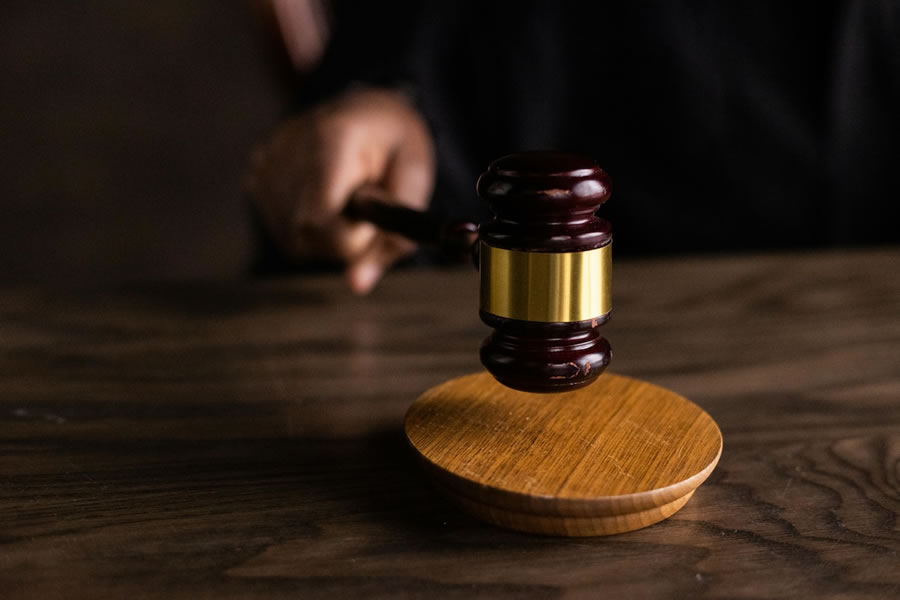
The law requires music producers to seek permission from the rightsholders when sampling any part of another song. Failure to do so constitutes copyright infringement, which may be a civil or criminal crime depending on where you and the rightsholders are based.
There are several common misconceptions regarding the legalities of sampling music, and we've addressed some of them below.
Can you sample a song if it's below a certain length?
No - while some people believe it's legal to sample a song provided the sample is shorter than a certain duration, that is not the case. Taking any size portion of a song without the proper permission is considered copyright infringement. Although you could microsample a track and potentially avoid any repercussions, technically, it would still be illegal.
Can you sample a song if you alter it enough?
No - altering the original sample might make it more difficult to recognise, but it doesn't negate the need to seek the necessary permission if you want to operate within the law. That said, many artists simply apply extreme processing to their samples and take the risk that they won't encounter any issues later on.
Can you sample a song if you don't plan to release it?
No - Even if you don't plan to release the song commercially, taking and reusing any portion of copyrighted material is still technically considered copyright infringement. Clearly, if you sample a song for your own uses and don't publicly share it anywhere, the chances of being caught are greatly reduced.
How to Sample Music Legally
We've answered some questions above about the law around sampling music. Now let's take a look at how to sample music legally.
Understanding Music Rights
In order to sample music legally, you first need to understand how music rights work. Below, we've outlined the two main types of music rights that you'll need to consider.
Compositional rights, also known as publishing rights, relate to the actual composition itself. This covers the musical components of a song, including melody, lyrics, harmony, structure, and arrangement. As the name suggests, these rights usually belong to the composer in the case of independent artists, or may belong to a publisher if the artist released the composition through a publisher.
Sound recording rights, also known as the master rights, relate to the recorded version of a composition. Again, the master rights may belong to the artist in the case of independents. Alternatively, if a song is released by a record label, the label may own the master rights.
In order to sample music legally, you must obtain permission from both the publishing and master rights holders. This process is known as sample clearance.
Clearing Samples
Sample clearance can be a complicated and time-consuming process, but is necessary if you want to avoid falling foul of the law. To clear a sample for commercial use, you must first establish who owns the rights to the track you wish to sample. You can then contact the relevant rightsholders to seek formal permission to use the sample in your own composition.
When contacting the rightsholders, include as much information as possible about your request. They will want to understand which part of the original composition is being sampled, how it's being used in your track, and if there are any plans to release the composition in the future.
The rightsholders may then ask for further information, and you can begin to negotiate the terms of the license. For example, whether they will charge a licensing fee, and how future royalties will be split between rightsholders. The entire process can take months or even years to complete, so it's important to be patient and realistic about your release schedule.
Failure to correctly clear a sample may result in a range of outcomes, including having to pay fines, having your work removed from the public domain, having to surrender future royalties to the correct rightsholder, or a combination of the above. Producer and DJ Baauer came close to losing royalties for his viral track Harlem Shake, when he failed to clear samples taken from songs by Hector "El Father" and Jayson Musson. In the end, Diplo of Mad Decent Records had to step in to retrospectively clear the sample.
Sampling vs Sample Interpolation
One way to get around the lengthy timeframes associated with acquiring full permission to release music is to interpolate your desired samples instead. Sample interpolation refers to the process of recreating samples from scratch, replaying and recording the instruments and vocals as necessary.
The benefit of sample interpolation compared to sampling a song directly is that it only requires you to seek approval from the compositional rightsholder. The advantage of this is that it may reduce the time, cost, and workload involved in clearing the sample.
The disadvantage of this approach is that it may be difficult, or even impossible, to capture the exact sound from the original sample. This is particularly true of samples containing vocals, as the specific singer and performance have a huge bearing on how the finished version of a track sounds.
One example of an interpolated sample is The Sugarhill Gang's interpolation of Chic's Good Times, as used in their 1979 track, Rapper's Delight. They interpolated multiple elements from the Good Times' instrumental, but the bassline and drums are the most recognisable parts.
Where to Find Royalty-Free Samples
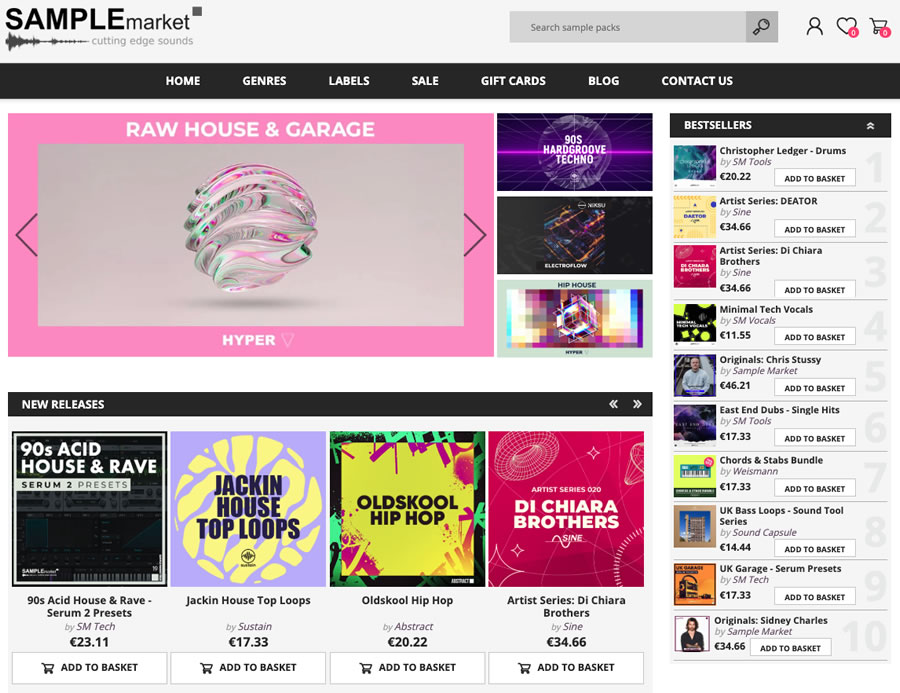
If you just want to focus on making and releasing music without the stress and cost of clearing samples, online sample stores like Sample Market are excellent sources of samples. Every sample on the Sample Market store is completely royalty-free, meaning there is no lengthy sample clearance process, and no royalties owed on future earnings.
Whatever kind of music you're making and whichever DAW you're using to make it, go and check out the range of sample packs available on the Sample Market store.
FAQs
How much of a song can you sample before you have to clear it?
No matter how long or short a sample is, samples taken from commercially released material, such as music, films, and TV shows, must be cleared with the relevant rightsholders.
What permissions do you need to sample music?
When sampling commercially released material, you must seek permission from the relevant rightsholders if you wish to include the sample in your own work. This may include the compositional or publishing rights, as well as the sound recording or master rights.
Do all samples need to be cleared?
If a sample is taken from a commercially released project, such as a song, movie soundtrack, or TV theme tune, you will need to clear the sample with the appropriate rightsholders. However, there are plenty of sources of royalty-free samples, including the Sample Market store. Once purchased, using samples from these packs does not require any sample clearance or further royalty agreements.

